
Table of Contents
- How to Find Quality Home Goods: Start With a Plan
- Your Homewares Buying Checklist for Smarter Shopping
- How to Choose Durable Homewares That Last
- Best Homeware Brands in Australia: What to Look For
- The Best Website to Buy Household Items: Online Shopping Verification
- Balancing Cost, Quality, and Long-Term Value
- Conclusion: Making Quality Home Goods a Habit
- Frequently Asked Questions
Last Updated: October 15, 2026
How to Find Quality Home Goods: Start With a Plan
Most people buy home goods the wrong way: they spot something that looks nice, pay for it, and three months later the handle falls off.
Learning how to find quality home goods is a skill, not luck.
The stakes are higher than they look.
Quality home goods are built from sound materials, put together with care, and sold with honest information.
Australian Competition and Consumer Commission product safety guidance
Your Homewares Buying Checklist for Smarter Shopping
A good homewares buying checklist saves you money before you spend it. Run every item through these checks.
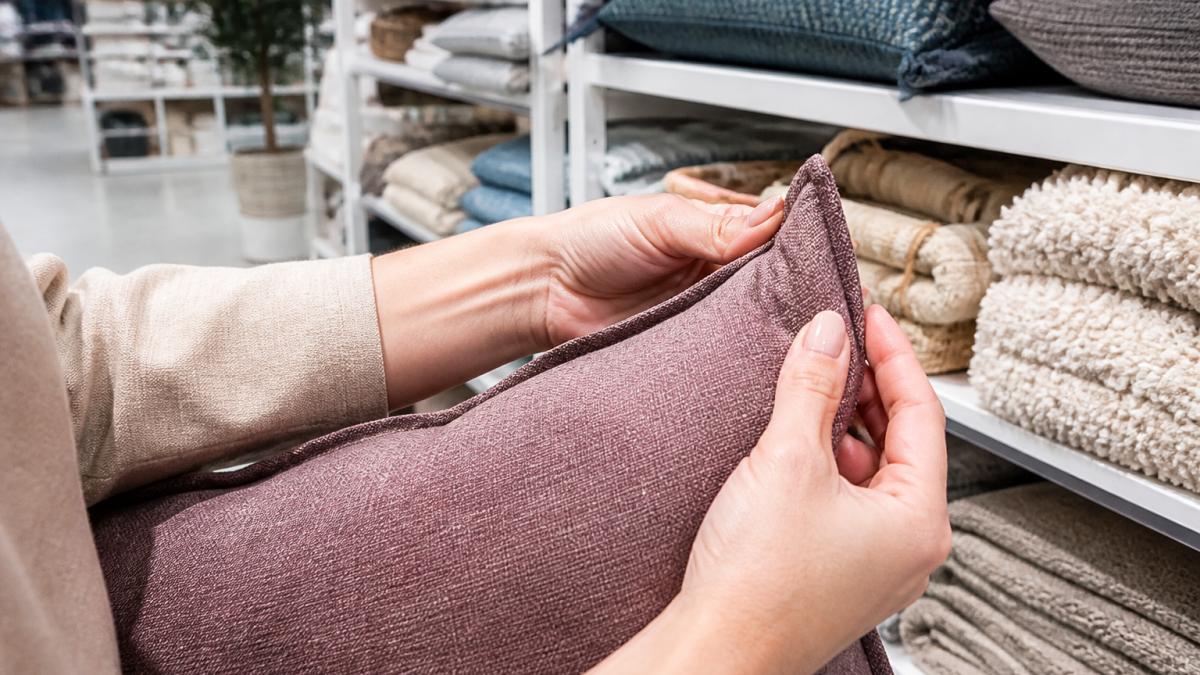
Inspect construction and finish
Construction tells you more than any label.
- Run your finger along seams and joints. Loose threads or gaps mean weak assembly.
- Check that drawers slide smoothly and doors sit flush.
- Look for even paint, smooth edges, and no rough patches.
- Pick the item up. If it feels hollow or rattles, it is built cheaply.
Check materials and weight
Weight is one of the best quality signals you can test in person: a solid timber side table feels heavy for its size, a flimsy one hollow.
- Timber: look for solid wood, not particle board with a veneer.
- Cotton: higher density means a thicker, longer-lasting towel or sheet.
- Metal: stainless steel resists rust better than thin coated metal.
- Glass and ceramic: check for bubbles, chips, or uneven glazing.
How to Choose Durable Homewares That Last
Durability comes down to three things: material, construction, and care. Get all three right and your purchase will outlast the cheap alternative by years.
Material-specific buying guidance
Different materials fail in different ways. Match the material to the job, then plan for its known weakness.
| Material | Best For | Watch Out For | Typical Lifespan With Care |
|---|---|---|---|
| Solid timber (hardwood) | Furniture, chopping boards, bed frames | Warping if left wet; movement with humidity | 10-30+ years |
| Solid timber (softwood) | Painted furniture, shelving | Dents easily; not ideal for high-wear surfaces | 5-15 years |
| Engineered wood / MDF | Flat-pack furniture, cabinets | Swells if wet; screws strip if reassembled | 3-10 years |
| Stainless steel (18/10) | Kitchen tools, cookware, appliances | Thin gauge that dents; lower grades can still spot | 10-20+ years |
| Coated or plated metal | Decorative items, budget tools | Coating chips, then rusts underneath | 1-5 years |
| Cotton (high density, long-staple) | Bedding, towels | Pilling if low quality; shrinkage if hot-washed | 5-10 years |
| Cotton (short-staple / low GSM) | Budget bedding, tea towels | Thins and pills within months | 1-3 years |
| Linen | Bedding, table linen | Wrinkles heavily; can tear at stress points | 10-20 years |
| Glass (borosilicate) | Pitchers, bakeware, storage | Thermal shock if not rated for it | 5-15 years |
| Glass (soda-lime) | Decorative glassware | Cracks with sudden temperature change | 1-5 years |
| Ceramic (stoneware / porcelain) | Dinnerware, mugs | Chipping on rims; crazing if glazed poorly | 5-20 years |
Take our Glass Cold Brew Coffee Pitchers - 2 Pack (1.9 L Each). Each pitcher is made from glass with a plastic handle lid and a metal mesh filter. Hand wash gently and avoid sudden temperature changes, and the set lasts.

How each material actually fails
Knowing the failure mode tells you what to inspect and how to care for the item.
- Timber fails at joints and along grain when moisture swings. Look for sealed end grain and mortise-and-tenon or dowel joints, not just glue and staples. Keep it out of standing water and re-oil boards monthly.
- Engineered wood fails when moisture reaches the core; a spill left overnight can swell a shelf permanently. Seal cut edges and wipe spills immediately.
- Stainless steel fails at the gauge, not the surface. A thin pan dents and warps on the hob. Look for a magnetic base and substantial weight for its size.
- Coated metal fails at chips and scratches; once the coating breaks, rust starts underneath. Avoid abrasive cleaners and accept a shorter life.
Care and maintenance matter
A well-made item treated badly will still fail. Read the care instructions before you buy, not after.
- Hand wash delicate glass and ceramic items.
- Dry timber fully to stop warping; re-oil boards and untreated furniture annually.
- Rotate towels and bedding so wear spreads evenly.
- Store heavy items low to avoid stress on shelves.
Best Homeware Brands in Australia: What to Look For
There is no single best homeware brand, only brands that are honest about materials and construction and brands that are not. Learn to tell them apart and you will never need a top-ten list.
Look for these signals:
- Clear product details. Good sellers list materials, dimensions, and care steps.
- Real photos. Look for images that show the item from several angles.
- Honest descriptions. No vague claims like "premium quality" with no backup.
- Reviews that mention durability. Not just "arrived fast", but "still going strong after a year".
- A returns policy you can actually use.
At Oddities & Ends, we curate trending and practical finds across home, pets, beauty, and outdoor categories.
CHOICE Australia product testing methodology
The Best Website to Buy Household Items: Online Shopping Verification
The best website to buy household items is the one that shows real product details, ships reliably, and makes returns simple.
Online shopping verification is how you check a seller before you commit. Run these steps every time.
Glass Cold Brew Coffee Pitchers – 2 Pack (1.9 L Each) →
- Read the full product listing. Materials, dimensions, and care steps should all be there.
- Check the returns policy. Know the window and who pays return postage.
- Look at delivery timeframes. Confirm they cover your area.
- Read recent reviews. Skip the five-star gushers and the one-star rants. Read the threes.
- Confirm the seller has a real contact method.
Oddities & Ends offers free delivery across Australia on a curated range of practical finds.
Balancing Cost, Quality, and Long-Term Value
Cheap is not the same as good value. The real cost of an item is its price divided by how long it lasts, plus what you spend keeping it working: total cost of ownership.
A $20 towel that lasts a year costs $20 a year. A $60 towel that lasts five years costs $12 a year. The "expensive" one is cheaper.
The total cost of ownership formula
Total cost of ownership = purchase price + maintenance + repairs + replacements − resale or warranty recovery, divided by years of service.
Work through it before any big-ticket purchase:
- Purchase price. The sticker, including delivery.
- Maintenance. Consumables like oil, filters, replacement parts, and the cost of your time.
- Repairs. Are parts available? Is there a local repair option, or is the item sealed and disposable?
- Replacement frequency. How often will you realistically replace it?
- Warranty. What is covered, for how long, and who pays shipping?
- Resale or recovery. Some furniture and tools hold value; most home goods do not.
Warranty and consumer guarantees
In Australia, the Australian Consumer Law gives you automatic consumer guarantees that sit alongside any manufacturer warranty, whether or not the seller offers one. They cover acceptable quality, fitness for purpose, and matching the description, and a product must be durable for a reasonable period given its price and type.
A manufacturer warranty is a bonus, not a substitute. Check:
- Length. One year is common; five to ten years on furniture and appliances signals confidence.
- What is covered. Structural vs cosmetic; parts vs labour.
- Who pays shipping. A warranty that requires you to post a heavy item at your own cost is worth less.
- Claim process. A real contact method and a clear process matter more than a long warranty with no way to claim.
Keep your receipt or order confirmation. Under the consumer guarantees, proof of purchase is what you need to make a claim.
Repairability and spare parts
A repairable item can outlast a cheaper one by decades. Before buying, ask:
- Are replacement parts (cushions, filters, handles, blades) sold separately?
- Is the item assembled with screws and bolts, or glued and sealed?
- Can a local repairer or upholsterer work on it?
Furniture with removable covers, standard screw fittings, and solid joinery is far easier to keep alive than a sealed, glued unit. The same applies to appliances: a published parts list and service network beat a sealed unit with no spares.
Cost per use in practice
Cost per use = total cost of ownership ÷ number of uses.
- A $300 cookware piece used 500 times costs $0.60 per use. A $60 piece replaced three times over the same period costs $0.36 per use only if it truly lasts, and most do not.
- A $1,200 sofa used daily for ten years costs about $0.33 per day; a $400 sofa replaced every two years costs about $0.55 per day, on a worse sofa.
- A $150 towel set used daily for five years costs about $0.08 per day; a $50 set replaced yearly costs about $0.14 per day.
Run the numbers on the items you use most. That is where quality pays back fastest.
Where to spend and where to save
- Spend more: items you touch daily and replace rarely, mattresses, sofas, dining tables, cookware, vacuum cleaners, bedding.
- Spend less: decorative items, seasonal accessories, trend-driven pieces, and anything you expect to replace within a year or two.
- Mid-range: the sweet spot for most home goods. Decent materials, fair price, and a warranty you can actually use.
Conclusion: Making Quality Home Goods a Habit
The challenge is not finding good products once, but building the habit of checking every time, so a bad buy never makes it into your home.
At Oddities & Ends, we make that easier. Shop our curated range with free delivery across Australia and a convenient online experience built around practical finds. Get started with Oddities & Ends and fill your home with items that earn their place.
Australian Government sustainability and product stewardship guidance
Frequently Asked Questions
What should I look for when buying quality home goods?
Check materials, construction, and finish. Look for solid joins, even stitching, and smooth edges. Weight often signals durability. For example, a glass pitcher with a thick base and metal mesh filter like the Glass Cold Brew Coffee Pitchers (2 pack, $100.95) shows better build than thin plastic alternatives. Ask about care instructions and return policies before buying. A practical checklist helps you compare items side by side and avoid impulse purchases.
How can I tell if homewares are well made?
Inspect seams, joints, and hardware. Well-made homewares have tight, consistent stitching, no wobbles, and smooth finishes. Check for weight and balance. For glassware, look for uniform thickness and no bubbles. Metal parts should be sturdy, not flimsy. Read product descriptions for material details. If shopping online, zoom in on photos and read customer reviews that mention durability. A well-made item feels solid and looks finished from every angle.
Which materials are best for durable homewares?
Glass, stainless steel, solid wood, and high-quality ceramics last longer than thin plastics or particleboard. For kitchen items, borosilicate glass resists thermal shock. Stainless steel resists rust. Solid wood can be sanded and refinished. Look for materials that suit the item's use. For example, a glass cold brew pitcher with a metal mesh filter combines durability with easy cleaning. Always check care instructions to maintain the material's integrity.
How do I choose home decor that will last?
Focus on classic shapes and neutral colours that won't date quickly. Check construction: solid frames, quality upholstery, and durable finishes. Avoid trends that sacrifice quality for style. For decor items, consider how they'll be used. A decorative vase that's handled often needs a sturdy base. Read reviews for long-term durability. Investing in timeless pieces reduces replacement costs and keeps your space cohesive for years.